
For: System Integrators, Data Center Managers, and IT Procurement Directors in the MENA Region
Recent disruptions across major Middle Eastern transit hubs (such as Jebel Ali and DXB) have severely compromised regional IT supply chains. For B2B buyers, frozen shipments mean stalled Q2 data center deployments—a growing industry concern frequently highlighted by infrastructure analysts at Data Center Dynamics —and intense cash flow pressure.
This guide outlines a proven survival strategy for 2026: Bypassing congested regional hubs using direct Shenzhen/Hong Kong buffer warehousing, and optimizing your storage Bill of Materials (BOM) by shifting to high-capacity Enterprise HDDs. This approach provides the ultimate hedge against frozen budgets and delayed deployments.
Relying on single-node regional distribution in the Middle East has suddenly become a critical vulnerability. Panic buying is not a procurement strategy; structured resilience is.
When major logistics hubs face unexpected congestion or rerouting, local distributors—who often rely on back-to-back ordering rather than holding deep local inventory—fail to deliver. This results in:
The Fix: Procurement teams must urgently pivot from “just-in-time” regional sourcing to secure, factory-direct allocations from unaffected origins like Hong Kong and Shenzhen.
As logistics costs consume your project margins, you must find savings elsewhere in the hardware BOM.
Market data for early 2026 indicates that the price gap between high-capacity enterprise HDDs and enterprise NVMe SSDs is widening significantly. While SSDs remain essential for tier-zero caching and intensive AI workloads, utilizing them for bulk storage in a volatile market destroys budget efficiency.
The Smart Move: Shift all warm and cold data storage requirements to 16TB, 20TB, 22TB, or 24TB Enterprise HDDs.
When regional hubs are compromised, the smartest buyers do not force shipments into a bottleneck. Instead, they secure their exact hardware allocations at the source.
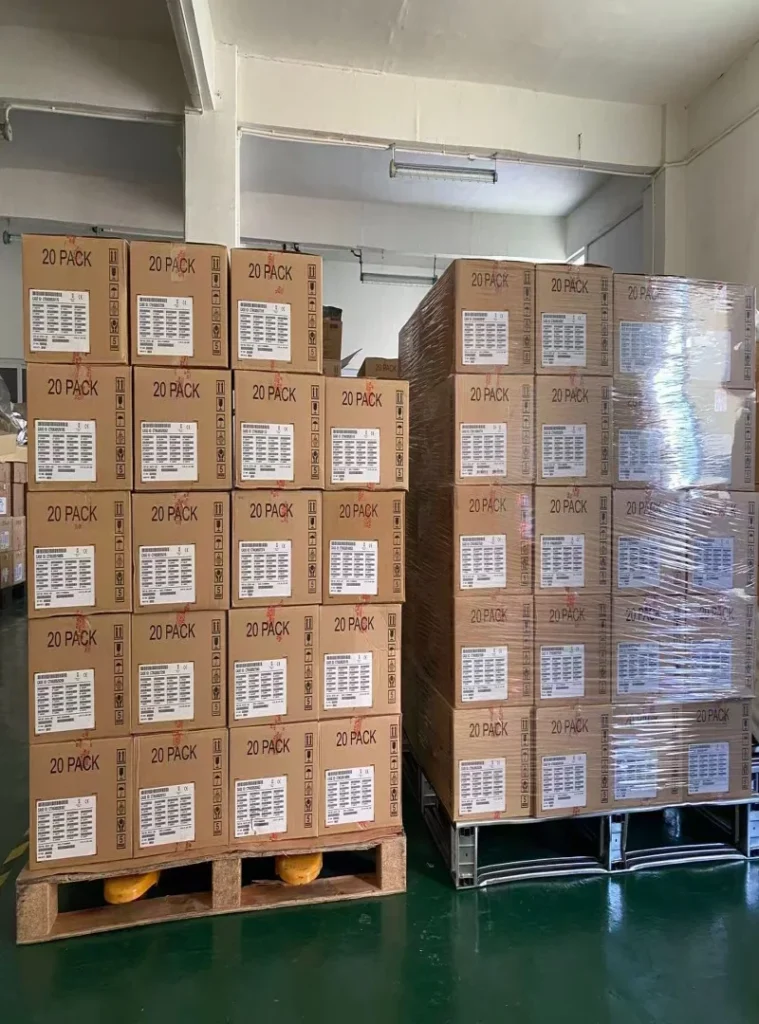
At ITPARTSUPPLY, we have initiated emergency protocols for our Middle Eastern partners: Free Buffer Warehousing in our Shenzhen and Hong Kong facilities.
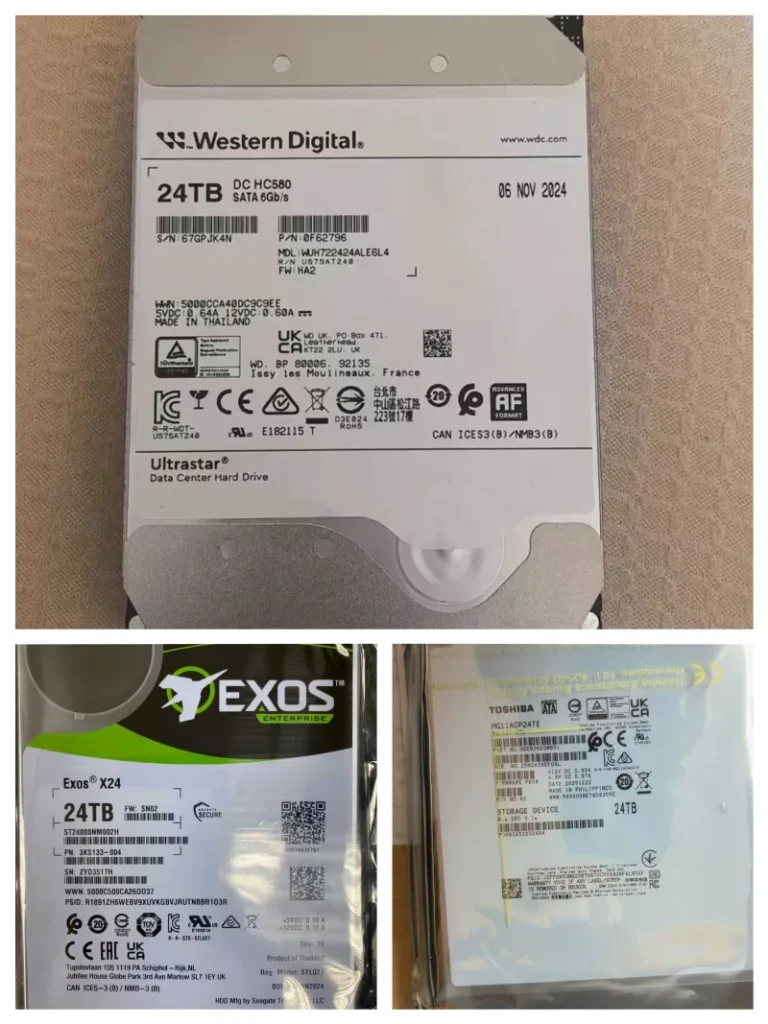
To avoid vendor lock-in during global allocation shortages, procurement teams must implement a “Pre-Approved Substitute Matrix”. Here are the top three 24TB drives we currently hold in EXW Hong Kong Ready Stock (often featured as top-tier choices on Tom’s Hardware Enterprise):
| Brand & Model | Capacity | Technology | Sustained Transfer Rate | Best Use Case |
| Seagate Exos X24 (ST24000NM002H) | 24TB | CMR | Up to 285 MB/s | Maximum sustained throughput for scale-out architectures. |
| WD Ultrastar DC HC580 (WUH722424ALE6L4) | 24TB | OptiNAND / ePMR | Up to 298 MB/s | Features ArmorCache—crucial for protecting write cache data during unexpected power losses in unstable infrastructure environments. |
| Toshiba MG11 (MG11ACP24TE) | 24TB | FC-MAMR | Up to 295 MB/s | The ultimate workhorse for Total Cost of Ownership (TCO) optimization. |
Note: All stock provided by ITPARTSUPPLY is 100% Genuine, Original Factory Sealed, with fully traceable lots for guaranteed warranty compliance.
During periods of severe logistics volatility, executing massive, single-shipment procurements is highly risky. A single delayed container can halt an entire data center build.
Actionable Advice: Transition to a rolling replenishment cadence. Lock in the total required quantity with us to secure your bulk discount, but schedule the dispatch in staggered, milestone-based batches. If Batch A is delayed at a transit hub, Batch B can be instantly rerouted via direct air freight from Hong Kong to keep your project moving.
Q: What is the primary cause of IT supply chain delays in the Middle East right now?
A: Unexpected disruptions and congestion at major regional transit hubs are causing severe logistics bottlenecks and unpredictable customs clearance times.
Q: How can buyers protect their Q2 IT budgets during this freight crisis?
A: By optimizing their storage Bill of Materials (BOM). Substituting expensive enterprise SSDs with cost-effective, high-capacity enterprise HDDs can recover enough margin to offset rising shipping costs.
Q: What does “buffer warehousing” mean for IT procurement?
A: It involves purchasing inventory directly from the manufacturing origin (like Shenzhen or HK) and utilizing the supplier’s warehouse to hold the goods safely for free until your local transit routes are verified as clear.
Q: Why is direct factory sourcing safer than using regional distributors during a crisis?
A: Direct sourcing eliminates middleman delays, ensures transparent allocation tracking, and provides a secure chain of custody for authentic hardware and direct RMA replacements.
Q: How quickly can EXW Hong Kong stock be dispatched?
A: Original factory-sealed inventory held at our Hong Kong hub can typically be allocated and readied for global dispatch within 24 to 48 hours upon your authorization.
In an era of unpredictable logistics, the only inventory you truly control is the inventory you have locked at the source. Do not let market panic ruin your project margins.
Secure your rolling replenishment cadence today. For immediate allocation of Enterprise HDDs and customized BOM optimization consulting, contact our lead sourcing team: